Mobile home demolition cost in NC depends mostly on size, foundation type, asbestos presence, site access, and local disposal fees. A single-wide on an open rural lot costs far less to tear down than a double-wide with additions, skirting, and tight access. The most reliable way to budget is a free on-site quote.
Say you’ve inherited a 1980s single-wide on a wooded lot outside Greensboro, and it’s been empty for years. The roof leaks, the floors sag, and you’ve finally decided it has to go.
The first question is almost always the same: what’s this going to cost? Mobile home demolition cost in North Carolina isn’t one fixed number — it moves with the home’s size, what it’s built from, and how easy it is to reach.
This guide walks through every factor that shifts the price, the permits NC requires, and how disposal and cleanup fit into your budget. By the end, you’ll know exactly what to ask for when you call for a quote.
6 Factors That Drive Mobile Home Demolition Cost
No two tear-downs price out the same way. Here are the six factors that move the needle most in North Carolina.
1. Size and type. A single-wide has far less material than a double-wide, and a triple-wide more still. Add-ons like decks, carports, skirting, and room additions all increase labor and disposal volume.
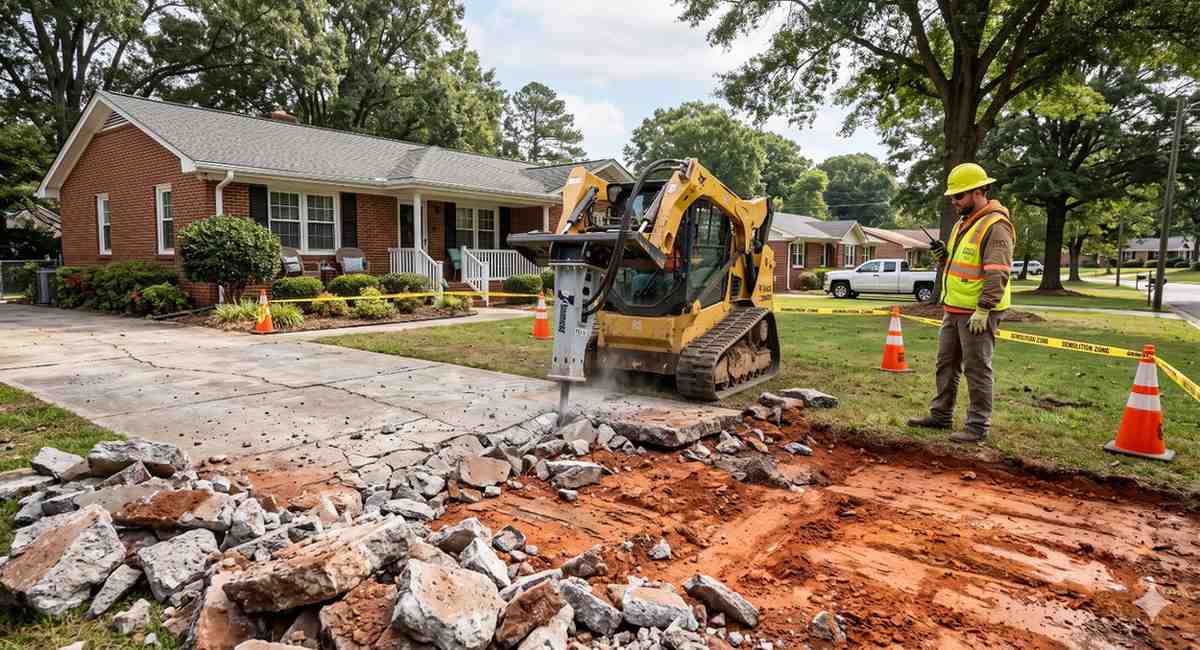
2. Foundation and anchoring. Homes set on a simple pier-and-beam system come apart faster than those on concrete runners or a full slab. Tie-down anchors and footings take extra time to break out and remove.
3. Hazardous materials. Mobile homes built before the mid-1980s may contain asbestos in flooring, siding, or insulation. Testing and, if needed, professional asbestos abatement add cost but are not optional when present.
4. Site access. A crew that can back an excavator and dump trucks right up to the home works quickly. Narrow driveways, soft red-clay ground after rain, or homes hemmed in by trees and fences slow everything down.
5. Utility disconnection. Electric, water, sewer or septic, and any propane lines must be safely capped before work starts. Coordinating those disconnects can add lead time and cost.
6. Disposal and landfill fees. Construction and demolition debris carries tipping fees that vary by county. Recycling the steel frame and other materials can offset part of that, which we cover below.
| Cost factor | Single-wide | Double-wide |
|---|---|---|
| Material volume | Lower | Higher |
| Demolition time | Often 1 day | Often 1–2 days |
| Disposal loads | Fewer | More |
| Typical anchoring | Lighter | Heavier |
| Add-ons (decks, additions) | Sometimes | Common |
Once you understand these drivers, the next surprise for most owners is compliance — the part of the budget that’s easy to forget.
Permits and Asbestos: The Compliance Costs People Forget
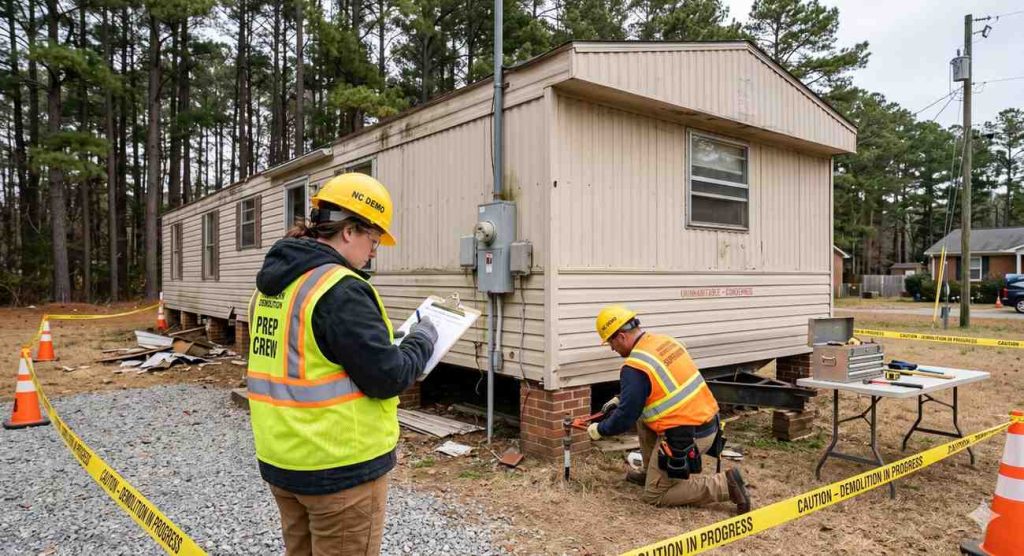
Before a single wall comes down, North Carolina expects the paperwork to be in order. Most counties and municipalities require a demolition permit issued through the local building or inspections department.
That permit usually confirms utilities are disconnected and, in many cases, that an asbestos inspection has been completed. Skipping it can mean stop-work orders and fines that dwarf the permit fee itself.
Asbestos is the big compliance variable for older homes. Federal rules under the EPA’s asbestos program require proper inspection and handling before demolition, and you can review the basics on the EPA’s asbestos guidance pages.
In North Carolina, demolition and disposal of regulated material is overseen at the state level. The NC Department of Environmental Quality sets the rules for how debris is handled and where it can go.
A reputable contractor folds all of this into the quote rather than treating it as a surprise add-on. If a price seems unusually low, ask specifically how permits and any asbestos testing are handled — that’s often where the gap hides.
With the compliance picture clear, the next budget question is where everything ends up after the home is down.
Where the Debris Goes: Hauling, Disposal, and Recycling
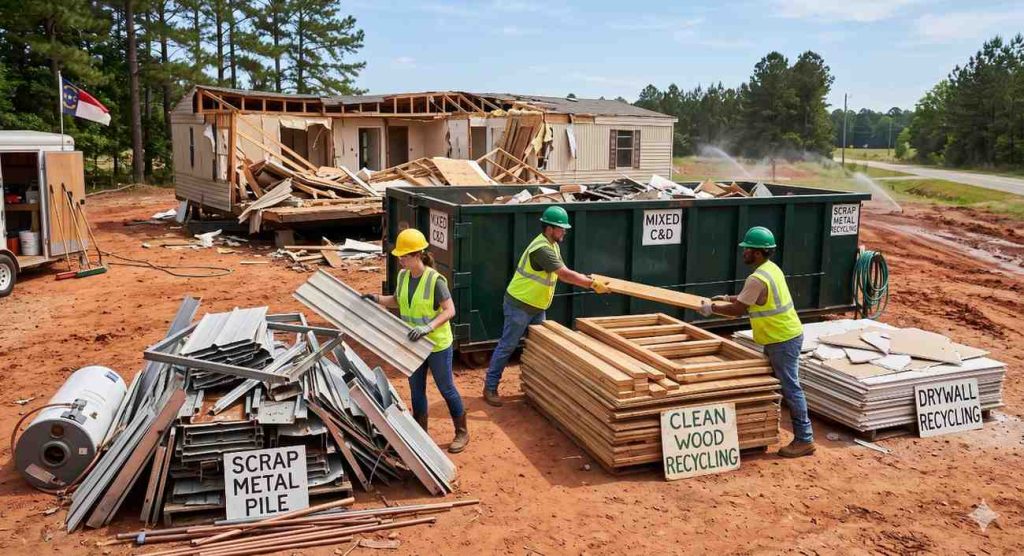
A torn-down mobile home produces several distinct material streams, and each one is handled differently. Sorting them well is where good contractors save you money.
The steel frame and metal siding are valuable as scrap, and recycling them can offset part of your disposal bill. Wood framing, drywall, insulation, and old appliances each route to the appropriate facility.
Most of this leaves the site as part of debris cleanup and junk removal, so you’re left with a clear lot rather than a pile of rubble. Crews that prioritize material recycling keep more out of the landfill and reduce tipping fees in the process.
Where the remaining waste can legally go is governed by state and county rules, which is why local knowledge matters. A contractor working across North Carolina already knows the nearest construction-and-demolition landfills and recycling outlets.
Eco-conscious disposal isn’t just good for the environment — it’s frequently the difference between two quotes on the same job. The crew that recycles the frame and hauls efficiently almost always prices better than one sending everything straight to the dump.
That handling all happens inside a fairly predictable sequence, which is worth understanding before demolition day.
How Mobile Home Demolition Works, Step by Step
Knowing the process helps you spot a thorough contractor from a sloppy one. Here’s how a typical North Carolina tear-down unfolds.
Step 1 — Disconnect utilities. Power, water, sewer or septic, and propane are safely shut off and capped.
Step 2 — Test and abate hazards. If the home predates the mid-1980s, asbestos testing comes first, with abatement handled before mechanical work begins.
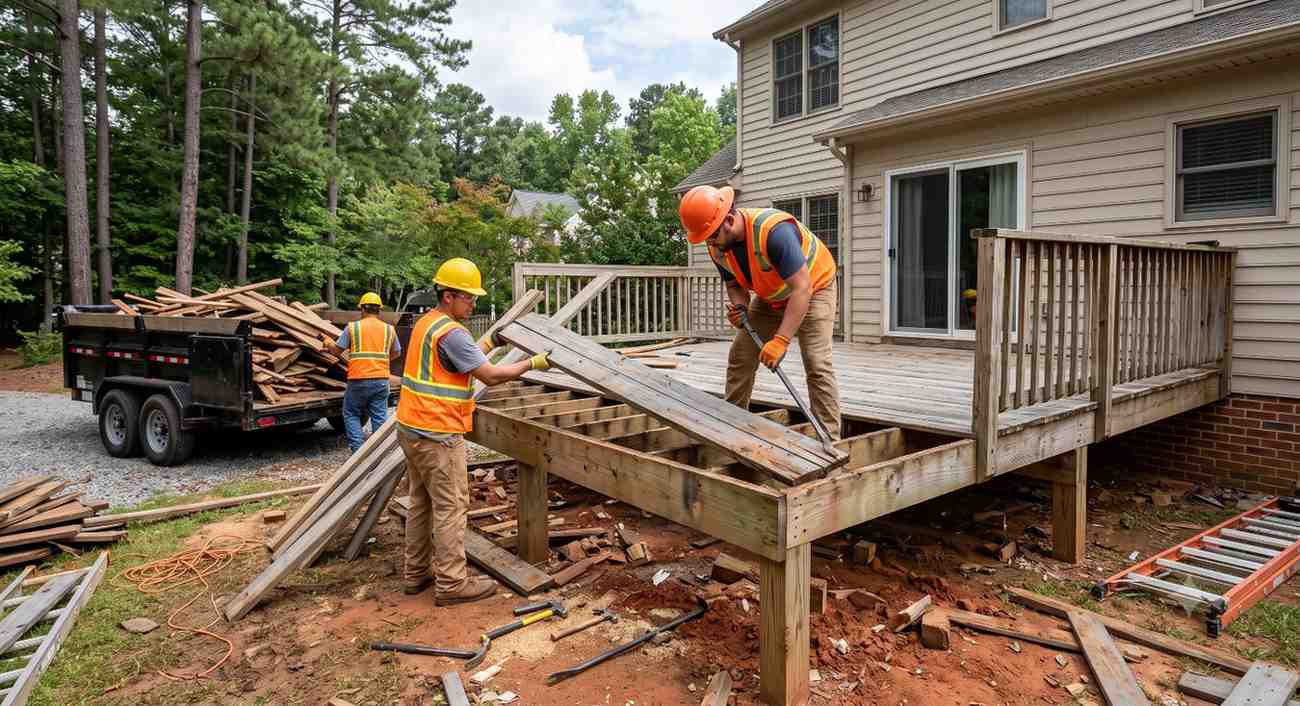
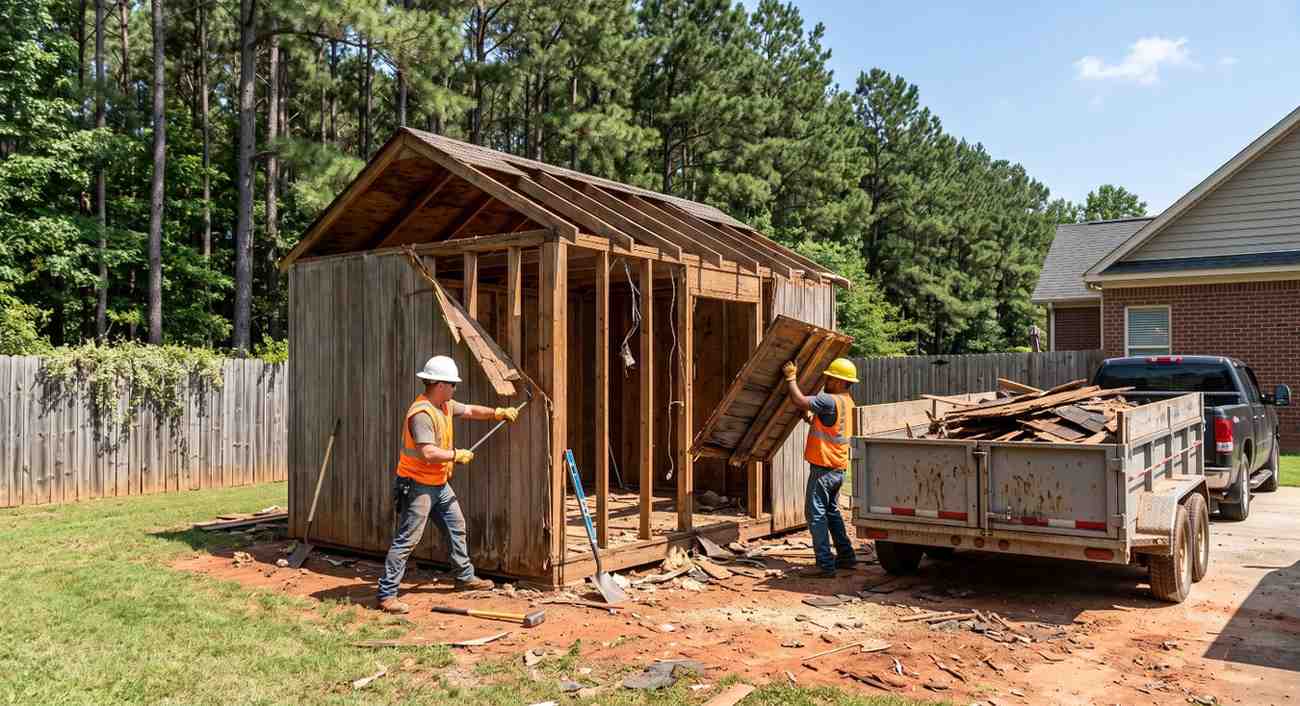
Step 3 — Strip salvageable material. Appliances, fixtures, and recyclable metals are pulled and sorted.
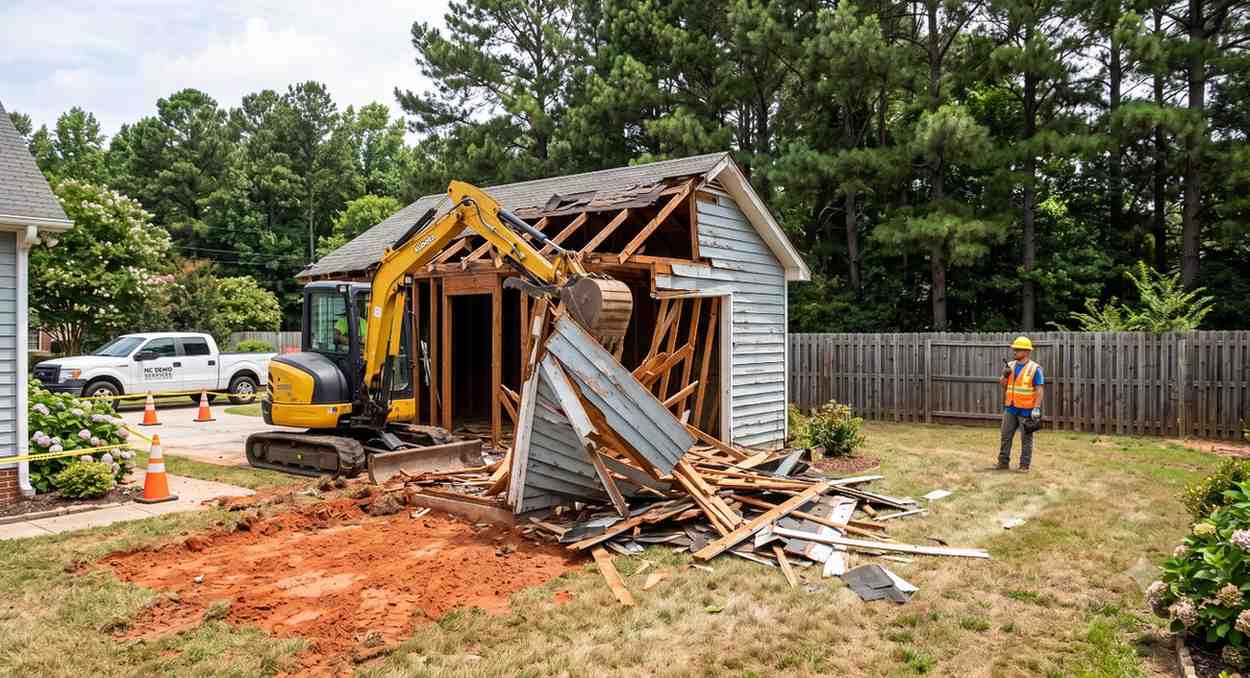
Step 4 — Mechanical demolition. An excavator or skid steer brings the structure down, working from one end to keep the site controlled and safe.
Step 5 — Load and haul. Debris is loaded into dump trucks and routed to recycling or the appropriate landfill.
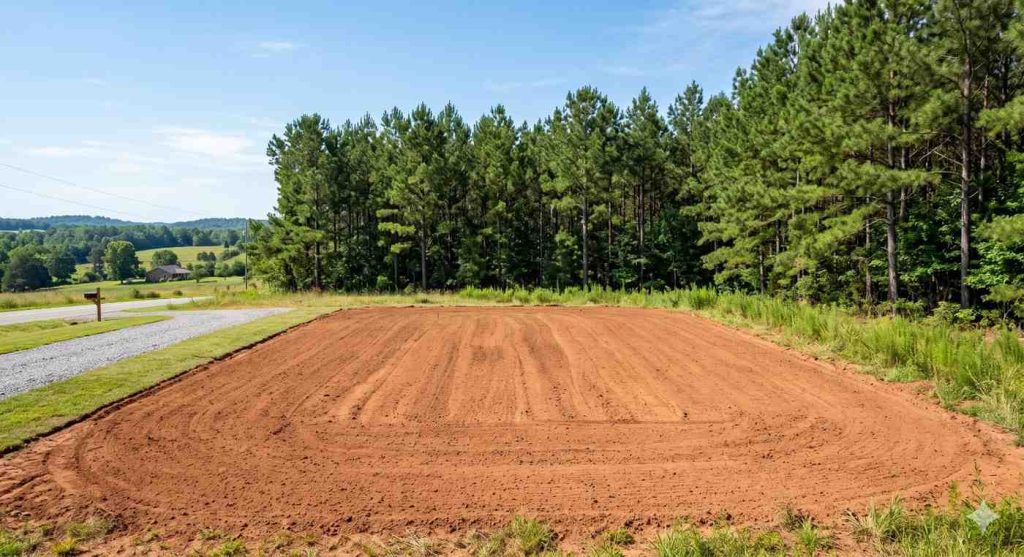
Step 6 — Clear and grade the lot. The site is cleaned and, if you’re rebuilding, the ground is leveled with land grading so it’s ready for what comes next.
The teardown itself is usually quick — often one to two days for the demolition once permits and disconnects are squared away. If you’re clearing land for a new build, mobile home removal often pairs naturally with a full home demolition or site-prep package.
Key Takeaways
- Mobile home demolition cost in NC is driven by size, foundation, asbestos, access, utilities, and disposal fees — not a flat rate.
- A single-wide on an open lot is the least expensive scenario; double-wides with additions and tight access cost more.
- Homes built before the mid-1980s may contain asbestos, which requires testing and licensed abatement before demolition.
- A demolition permit through your local NC building department is almost always required.
- Recycling the steel frame and sorting debris can meaningfully offset disposal costs.
- The actual teardown is fast — often one to two days — once permits and utility disconnects are complete.
- The only way to get an accurate figure is an on-site assessment, since access and hazards vary lot to lot.
Frequently Asked Questions
Q: Is it cheaper to remove or demolish a mobile home?
A: It depends on the home’s condition. A structurally sound home may be worth relocating, but most older units that are damaged or unsafe are cheaper to demolish and dispose of than to move. A free on-site quote will tell you which path makes financial sense for your specific home.
Q: Do you need a permit to demolish a mobile home in NC?
A: In most North Carolina counties and cities, yes. A demolition permit through the local building or inspections department is typically required, and it often confirms that utilities are disconnected and any asbestos has been inspected. Your contractor should handle this paperwork for you.
Q: Does asbestos increase mobile home demolition cost?
A: It can. Homes built before the mid-1980s may contain asbestos in flooring, siding, or insulation, which requires testing and licensed abatement before demolition. This adds cost but is legally required when asbestos is present, so it should never be skipped to lower a quote.
Q: How long does it take to demolish a mobile home?
A: The physical teardown is usually quick — often one to two days for the demolition and haul-away. The bigger variable is lead time for permits and utility disconnects, which can add days or weeks depending on your county and utility providers.
Q: What happens to the debris after a mobile home is torn down?
A: Materials are sorted into streams. The steel frame and metal are recycled as scrap, while wood, drywall, insulation, and appliances are routed to the correct facilities. Crews that recycle and sort efficiently keep more out of the landfill and reduce disposal fees.
Q: Can I get money for an old mobile home instead of paying to remove it?
A: Sometimes the scrap value of the steel frame offsets part of the cost, but it rarely covers the full job once labor, permits, and disposal are factored in. The best approach is to ask your contractor how recycling credits are applied to your quote.
Ready to Clear That Old Mobile Home?
Carolina Demo & Removal has been handling mobile home removal across North Carolina since 2010, from single-wides on rural lots to double-wides in established neighborhoods. We manage the permits, utility coordination, asbestos handling, and recycling so you don’t have to chase any of it down.
Every job starts with a clear, no-pressure assessment of your property and a free quote built around your actual lot and home. Call (888) 643-4199 or request a free quote online, and we’ll help you map out the fastest, cleanest way to get that old home gone.