Emergency Structural Demolition Services in Orange County
When structural integrity is compromised, time becomes your most critical asset. Emergency structural demolition isn’t just about tearing down buildings: it’s about preventing catastrophic collapse that could endanger lives and surrounding properties. If you’re seeing warning signs of structural failure in your North or South Carolina property, understanding when and how emergency demolition works could save both lives and money.
What Is Emergency Structural Demolition?
Emergency structural demolition is the immediate, controlled dismantling of buildings or structures that pose an imminent threat to public safety. Unlike planned demolition projects, emergency structural demolition requires rapid assessment, swift action, and specialized expertise to safely remove dangerous structures before they collapse on their own.
This process typically occurs when buildings have been severely damaged by natural disasters, structural defects, or unforeseen circumstances that compromise their stability. The goal is always the same: eliminate the threat while protecting nearby structures, utilities, and most importantly, human life.
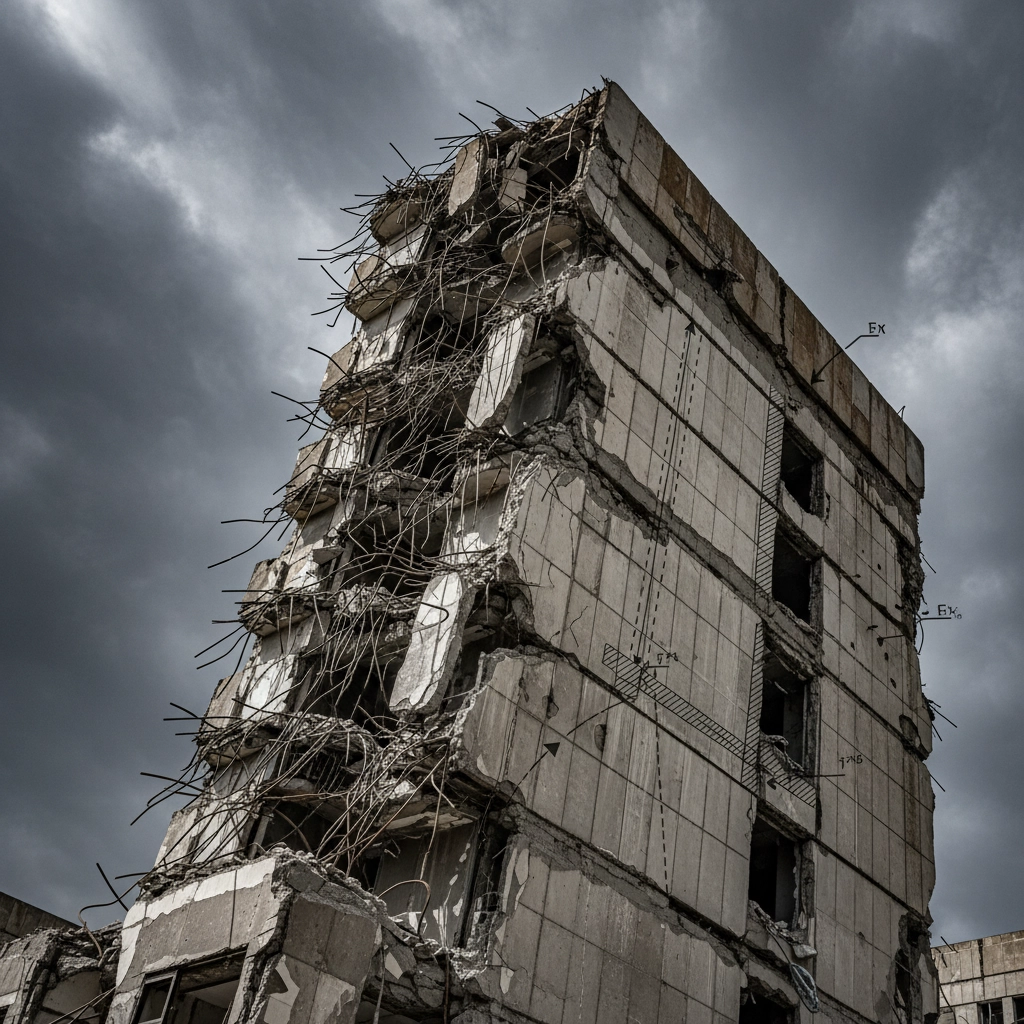
Critical Warning Signs Your Building Needs Emergency Attention
Recognizing the early warning signs of structural failure can mean the difference between controlled demolition and catastrophic collapse. According to the National Institute of Standards and Technology, several key indicators signal immediate structural danger:
Visible Structural Damage:
- Large, expanding cracks in load-bearing walls
- Bulging or bowing walls
- Sagging rooflines or floors
- Separation between walls and ceilings
- Crumbling concrete or exposed, rusted rebar
Audible Warning Signs:
- Creaking, groaning, or popping sounds from the structure
- Rumbling or shifting noises during wind or minor vibrations
Movement and Instability:
- Doors and windows that suddenly won’t open or close properly
- Visible swaying or movement in the structure
- Floors that feel bouncy or unstable underfoot
- Tilting or leaning of the entire structure
If you notice any of these signs, evacuate immediately and contact professionals with specialized demolition expertise. Don’t wait: structural failures can happen rapidly and without additional warning.
When Emergency Structural Demolition Becomes Necessary
Emergency structural demolition becomes unavoidable in several scenarios common throughout the Carolinas:
Storm and Hurricane Damage: The southeastern coast regularly faces severe weather that can compromise building integrity. High winds, flooding, and storm surge can weaken foundations, damage load-bearing elements, and create unstable conditions requiring immediate action.
Fire Damage: Even after fires are extinguished, heat can weaken steel supports and concrete structures. Fire-damaged buildings often require emergency demolition to prevent collapse.
Foundation Failure: Poor soil conditions, water infiltration, or age-related deterioration can cause foundation shifts that make buildings uninhabitable and dangerous.
Accidental Impact: Vehicle strikes, nearby construction accidents, or unexpected impacts can instantly compromise structural integrity.
Age-Related Deterioration: Older buildings may suddenly show signs of critical failure, especially those built before modern building codes were established.

The Emergency Structural Demolition Process
Professional emergency structural demolition follows a carefully orchestrated process designed to maximize safety while minimizing collateral damage:
Immediate Assessment and Evacuation: Certified structural engineers conduct rapid assessments to determine the extent of danger and establish evacuation zones. This critical first step ensures public safety while providing essential information for demolition planning.
Utility Disconnection: All utilities: gas, electric, water, and sewer: must be safely disconnected before demolition begins. This prevents additional hazards during the demolition process.
Environmental Hazard Identification: Older buildings may contain asbestos, lead paint, or other hazardous materials requiring specialized demolition expertise before demolition can proceed.
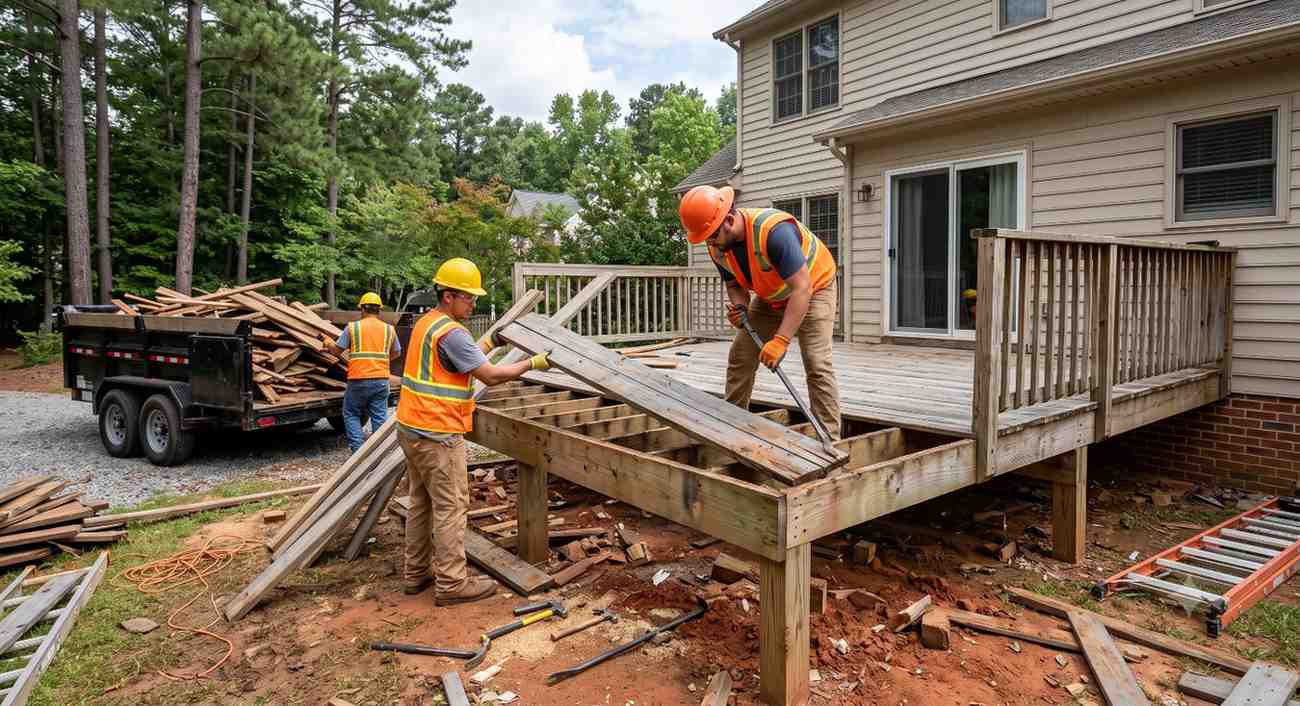
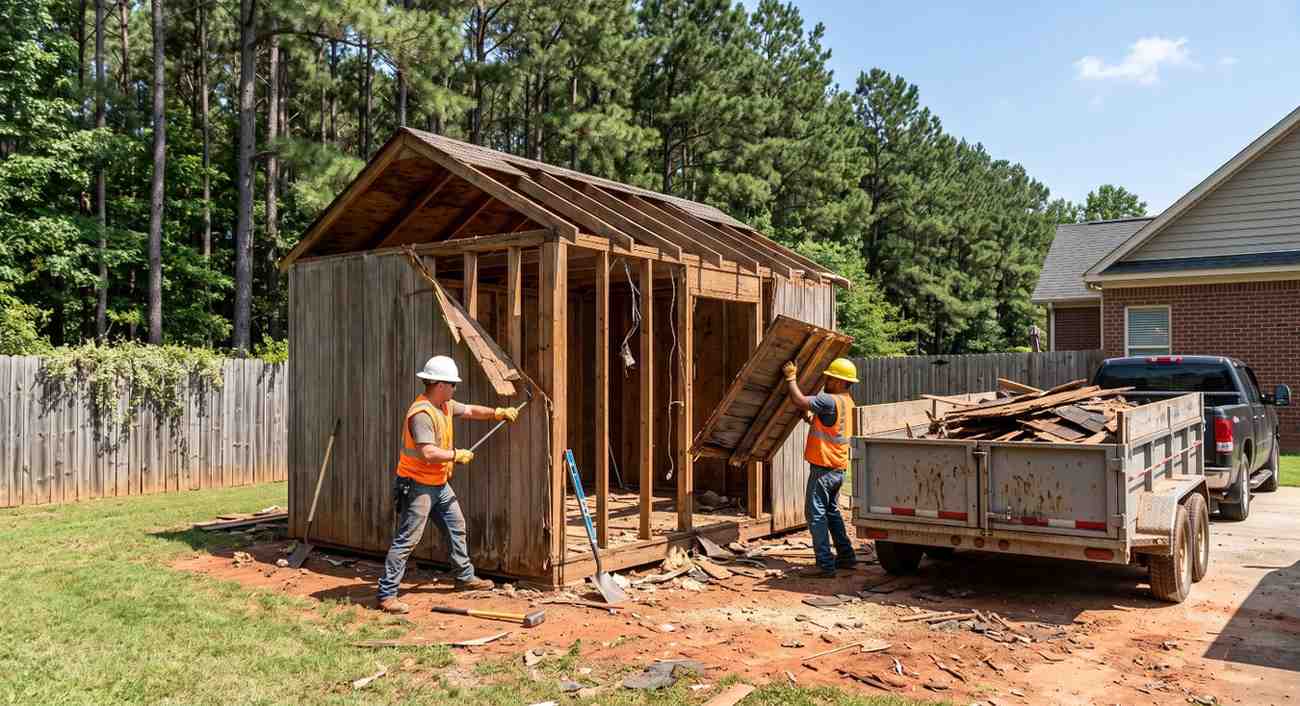
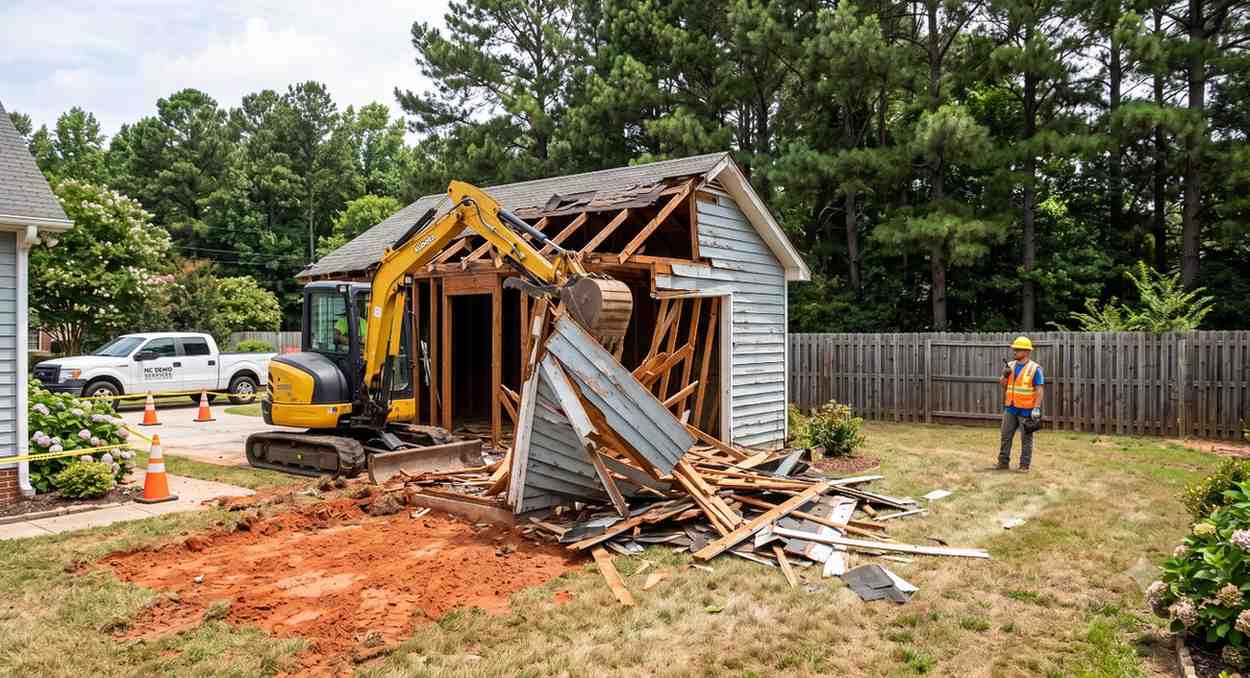
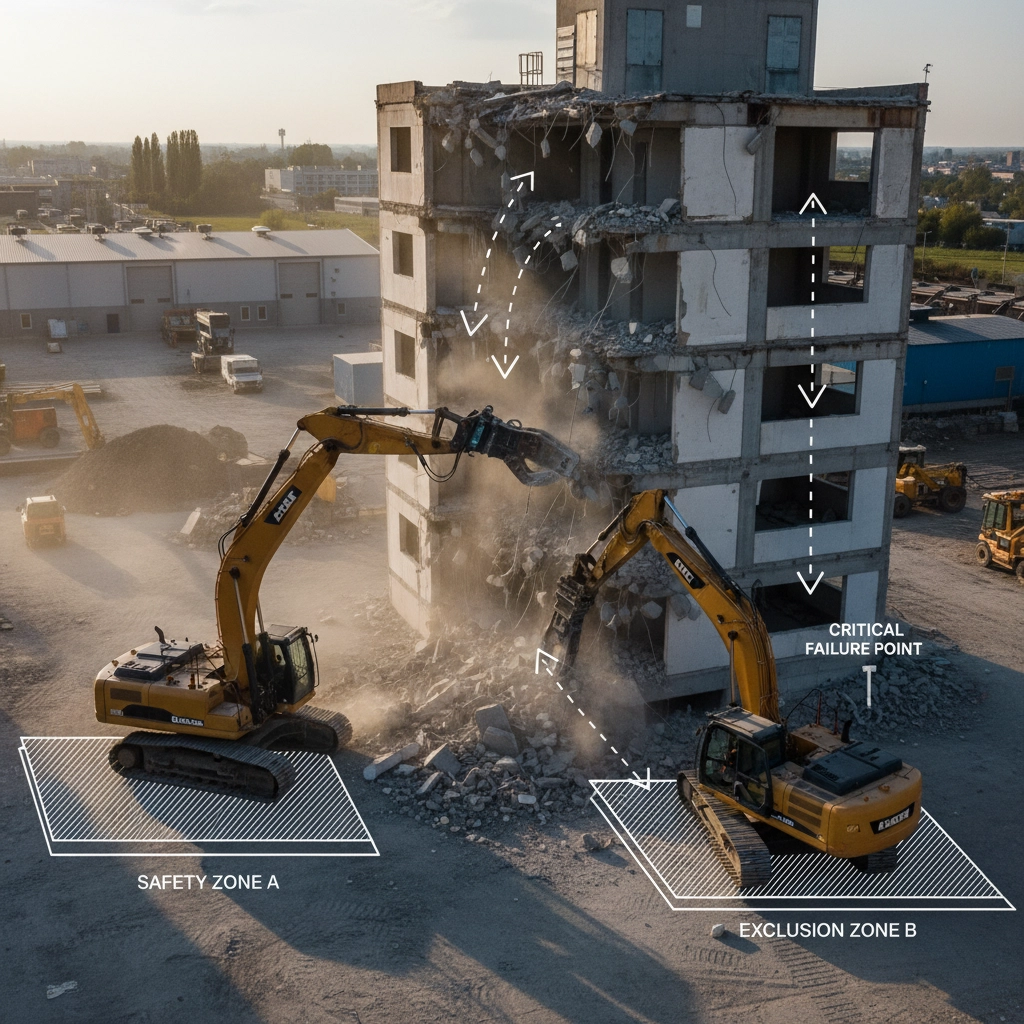
Controlled Dismantling: Using specialized equipment and techniques, trained professionals systematically remove the structure from top to bottom, ensuring surrounding properties remain protected.
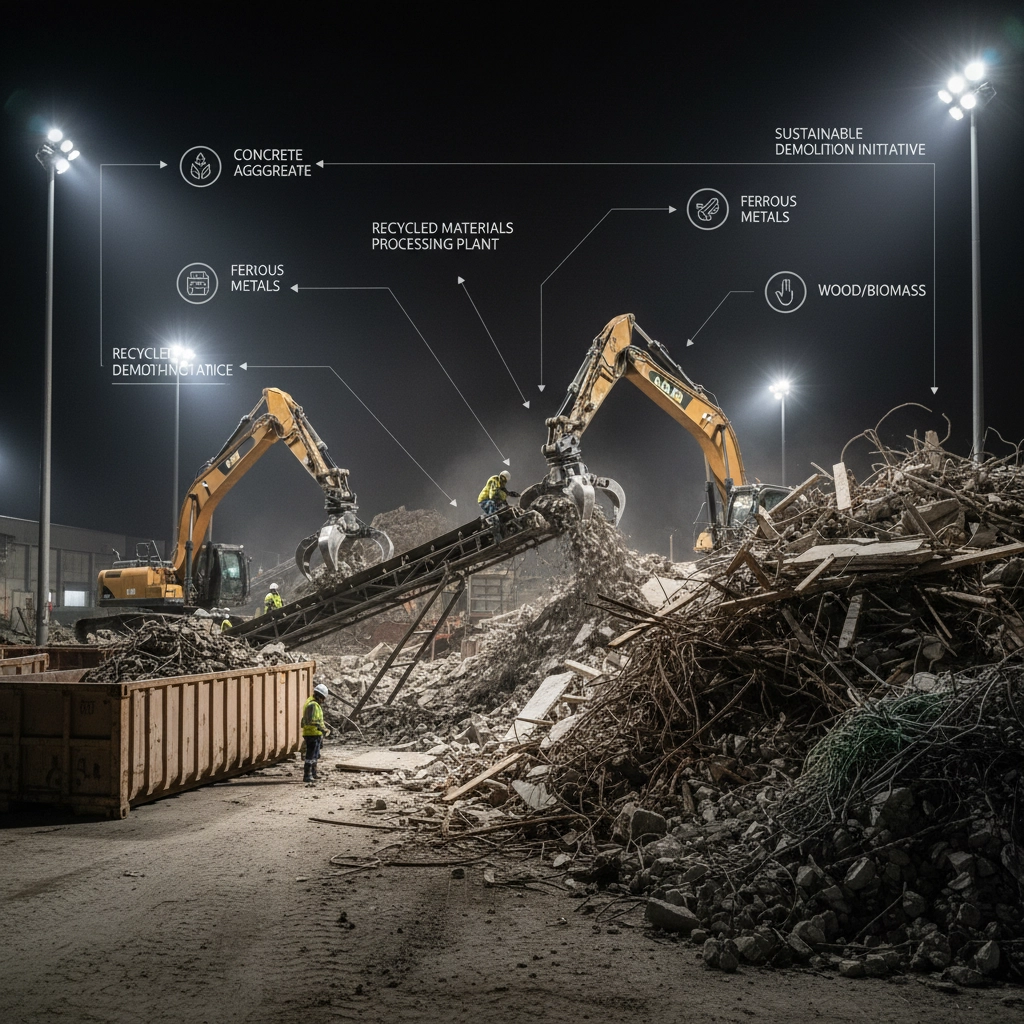
Debris Removal and Site Preparation: All demolition debris is carefully removed, sorted for recycling when possible, and the site is prepared for future use.
The National Demolition Association shares insights on industry standards and professional conduct in demolition.
Safety Considerations in Emergency Demolition
Safety remains paramount throughout every emergency structural demolition project. Professional demolition companies maintain strict safety protocols that protect both workers and surrounding communities:
Structural Engineering Consultation: Licensed structural engineers must evaluate the building and create detailed demolition plans that account for weakened structural elements and potential chain-reaction failures.
Equipment and Personnel Safety: Specialized equipment operated by trained professionals ensures controlled demolition while maintaining safe distances from unstable structures.
Environmental Protection: Proper containment prevents dust, debris, and hazardous materials from affecting neighboring properties and the environment.
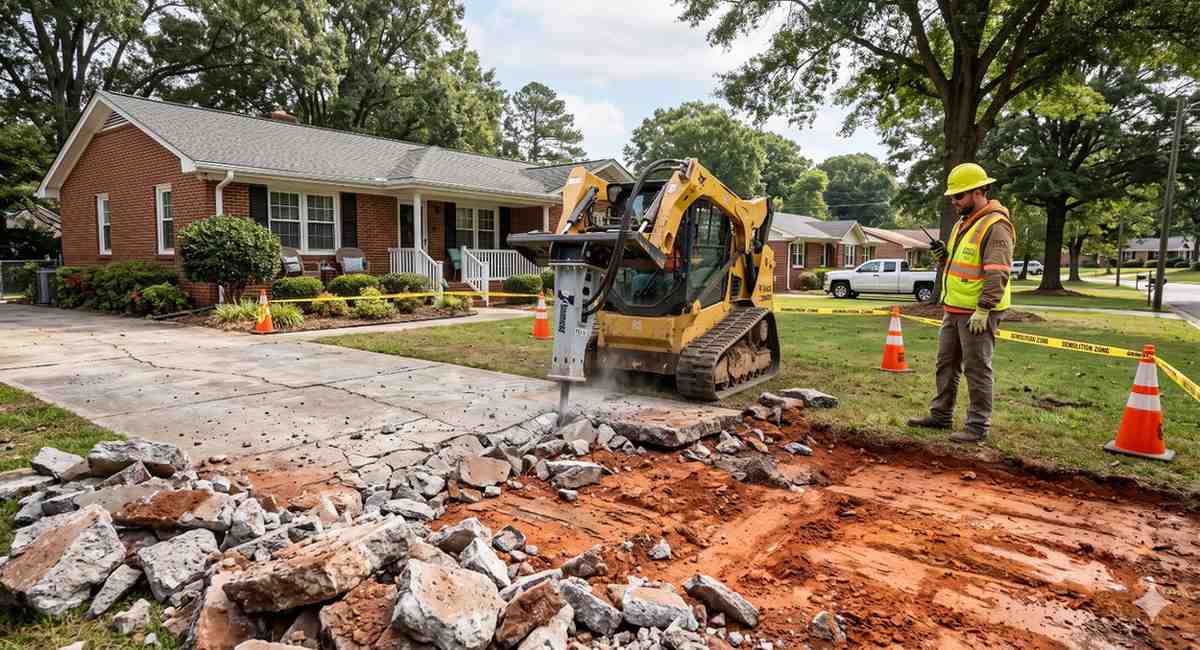
Community Safety Measures: Establishing and maintaining appropriate safety perimeters protects residents and businesses near the demolition site.
Choosing the Right Emergency Demolition Contractor
When facing potential structural collapse, selecting the right demolition contractor becomes critical. Here’s what to look for:
Immediate Availability: Emergency situations require contractors who can respond quickly, often within hours of your call.
Proper Licensing and Insurance: Verify that contractors hold appropriate state licenses for both residential demolition in North Carolina and commercial projects, plus comprehensive insurance coverage.
Local Expertise: Contractors familiar with Carolina building codes, soil conditions, and weather patterns can better navigate local challenges and regulatory requirements.
Comprehensive Services: Look for contractors offering complete services, from initial assessment through debris removal, including post demolition clean-up when necessary.
Emergency Response Protocol: Experienced contractors maintain 24/7 availability and have established relationships with utility companies, permitting offices, and environmental specialists.
Cost Factors in Emergency Structural Demolition
Emergency structural demolition costs vary significantly based on several factors:
Building Size and Construction Type: Larger buildings and those constructed with steel or concrete require more time and specialized equipment, increasing overall costs.
Hazardous Material Presence: Buildings containing asbestos, lead, or other hazardous materials require additional safety measures and disposal procedures.
Site Accessibility: Buildings in tight spaces or areas with limited equipment access may require specialized demolition techniques.
Urgency Level: True emergency situations requiring immediate response often carry premium pricing due to the need for rapid mobilization.
Debris Disposal Requirements: The volume and type of demolition debris affects disposal costs, though many materials can be recycled to offset expenses.
Legal and Regulatory Considerations
Emergency structural demolition in North and South Carolina requires navigation of various regulatory requirements:
Building Permits: Even emergency demolitions typically require permits, though expedited processes are often available for truly dangerous structures.
Environmental Compliance: Proper handling and disposal of hazardous materials must comply with state and federal environmental regulations.
Utility Coordination: Coordinating with utility companies for safe disconnection and potential infrastructure protection is essential.
Insurance Documentation: Proper documentation throughout the demolition process is crucial for insurance claims and liability protection.
Prevention Through Regular Maintenance and Inspection
While emergency structural demolition sometimes becomes unavoidable, regular maintenance and professional inspections can often prevent emergency situations:
Annual Structural Inspections: Professional structural assessments can identify potential problems before they become critical.
Prompt Repairs: Addressing minor structural issues immediately prevents them from developing into major problems requiring emergency demolition.
Weather Preparation: Proper storm preparation and post-storm inspections help identify damage before it becomes dangerous.
Foundation Monitoring: Regular foundation inspections, especially in areas with expansive soils or high water tables, can prevent catastrophic failures.
Environmental Responsibility in Emergency Situations
Even during emergency structural demolition, environmental responsibility remains important. Professional contractors prioritize:
Material Recycling: Salvaging and recycling demolition materials reduces landfill waste, even during emergency situations.
Dust and Debris Control: Proper containment prevents environmental contamination during demolition.
Hazardous Material Handling: Following proper protocols for asbestos, lead, and other hazardous materials protects both workers and the environment.
Site Restoration: Preparing demolished sites for future use includes proper soil management and environmental remediation when necessary.
Your Emergency Demolition Partner in the Carolinas
When structural failure threatens your property, you need a demolition partner who understands both the urgency of your situation and the complexity of safe emergency demolition. At Carolina Demo and Removal, we maintain 24/7 emergency response capabilities throughout North and South Carolina, with the expertise and equipment necessary to handle any emergency structural demolition situation safely and efficiently.
Our team of licensed professionals works directly with structural engineers, insurance companies, and local authorities to ensure your emergency demolition project meets all safety and regulatory requirements while protecting your property and community.
Don’t wait for a catastrophic collapse: if you’re seeing warning signs of structural failure, contact Carolina Demo and Removal immediately. Our emergency response team is standing by to assess your situation and provide the rapid, professional demolition services you need to protect lives and property.
Ready to ensure your property’s safety? Call Carolina Demo and Removal now for immediate emergency structural demolition assessment and response.